The Corston Wheatsheaf: Hospitality Photography for a Beautifully Renovated Pub Near Bath
A hospitality photography case study of The Corston Wheatsheaf near Bath, capturing its renovation, rich interiors, atmosphere, and sophisticated new visual identity.
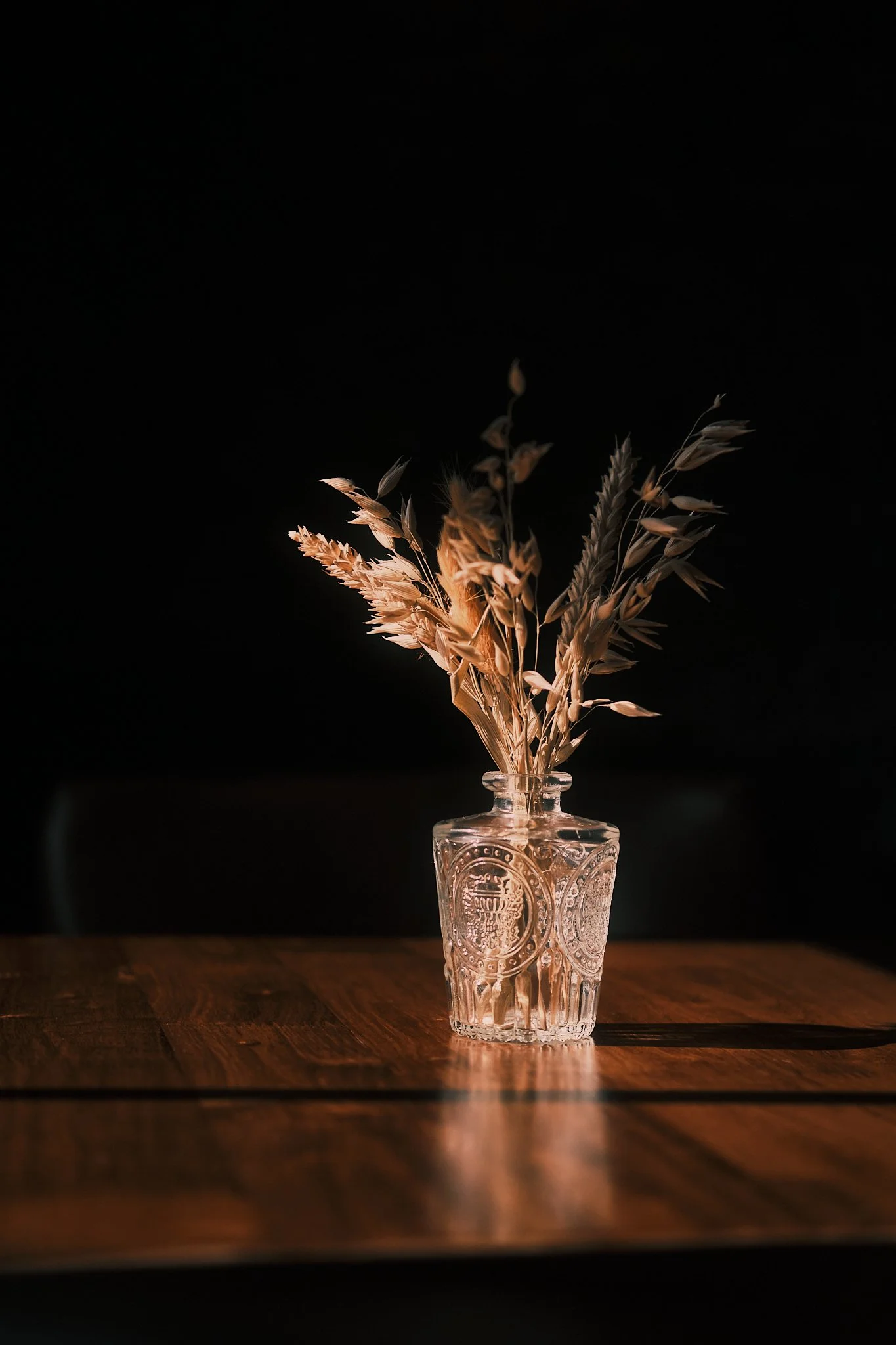
The Corston Wheatsheaf has stepped into a new chapter.
Set just outside Bath in Corston, this beautifully renovated pub and restaurant provided the perfect opportunity to create hospitality photography that reflects the true atmosphere of the space. Rather than relying on light, airy social media imagery, this shoot focused on capturing the venue with more depth, warmth and sophistication. This historic pub has recently reopened under new ownership, with Harriet Furlong leading the business following a refurbishment and relaunch in late 2025.
Punch Pubs says the venue underwent an £80,000 refresh before reopening, and listings across Dish Cult, CAMRA, and Tripadvisor now describe it as a newly refurbished, food-led countryside pub with a much stronger sense of destination and identity.
That shift matters.
Because when a venue changes, the photography has to change with it.
Too often, hospitality businesses rely on light, airy, quick social media imagery that is easy to scroll past and easy to forget. It might look bright. It might look clean. But it does not always tell the truth about the space. And when the visual identity feels disconnected from the real experience, the brand loses impact before a guest has even walked through the door.
That was the opportunity with The Corston Wheatsheaf.
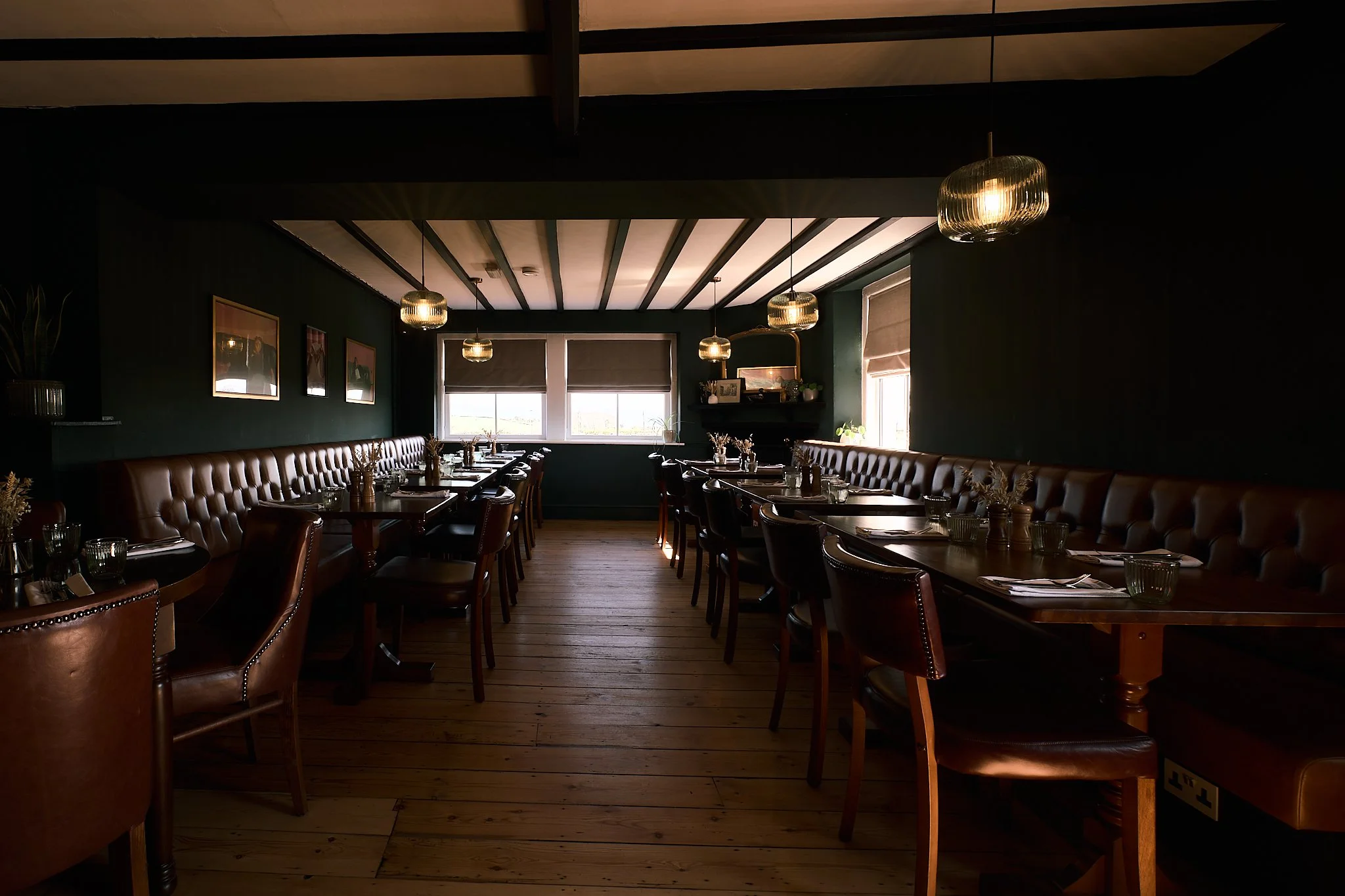
A renovated pub with a stronger identity
The Corston Wheatsheaf is no longer just another roadside pub outside Bath. It has been reworked into something more refined, more intentional, and far more memorable.
Recent customer reviews repeatedly mention the interior transformation, the welcoming atmosphere, the open fires, the improved décor, and the sense that the pub now feels like a proper destination rather than somewhere people simply pass by. Menu and booking platforms now position it around elevated British classics, strong drinks, and a comfortable countryside setting, while CAMRA notes the new ownership and emphasis on freshly cooked food from local producers.
And visually, that changes everything.
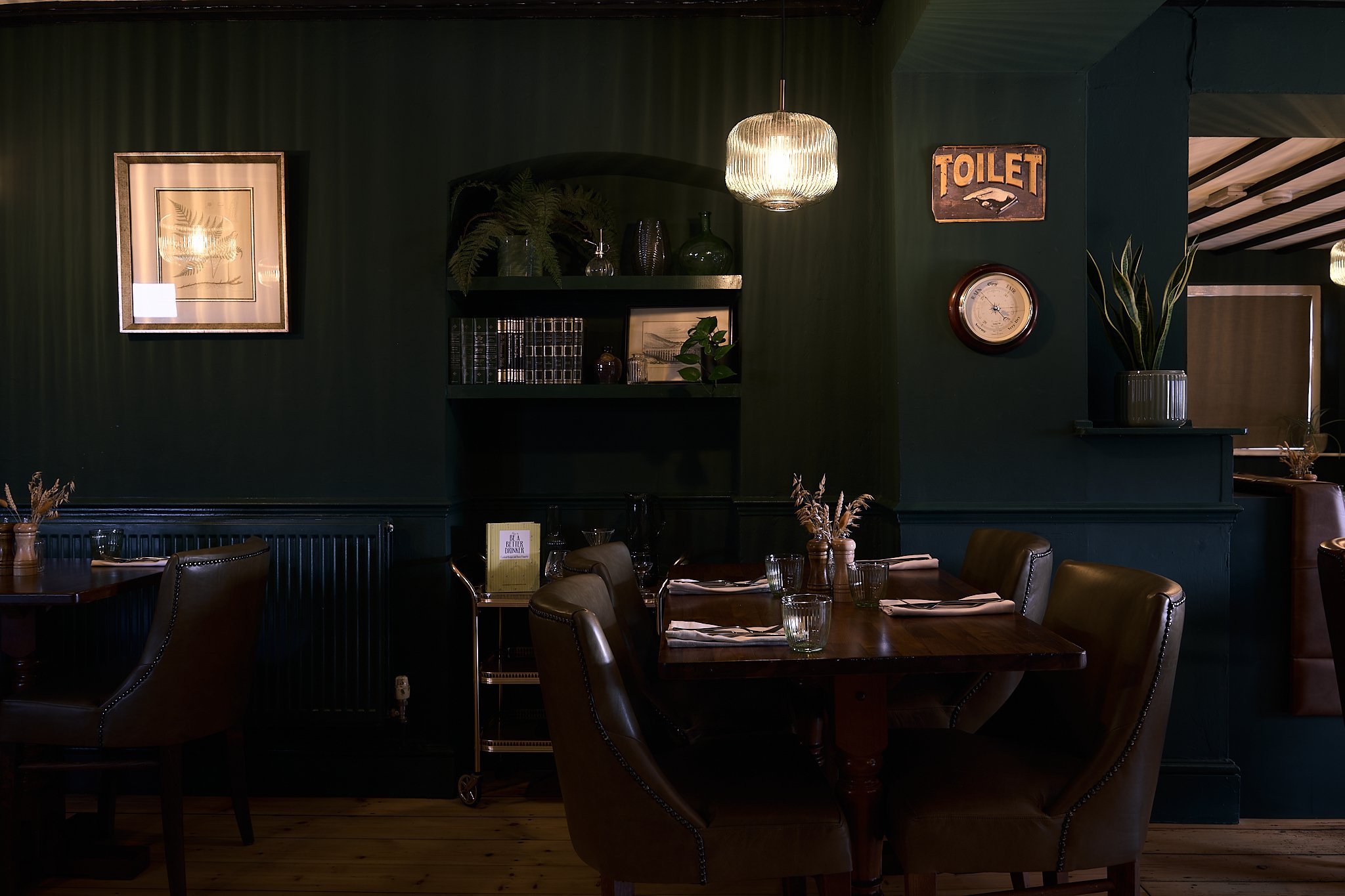
Because this is not a venue that should be represented by flat, over-bright, phone-style content. The interiors, materials, lighting, and overall tone call for something richer. Something moodier. Something with depth.
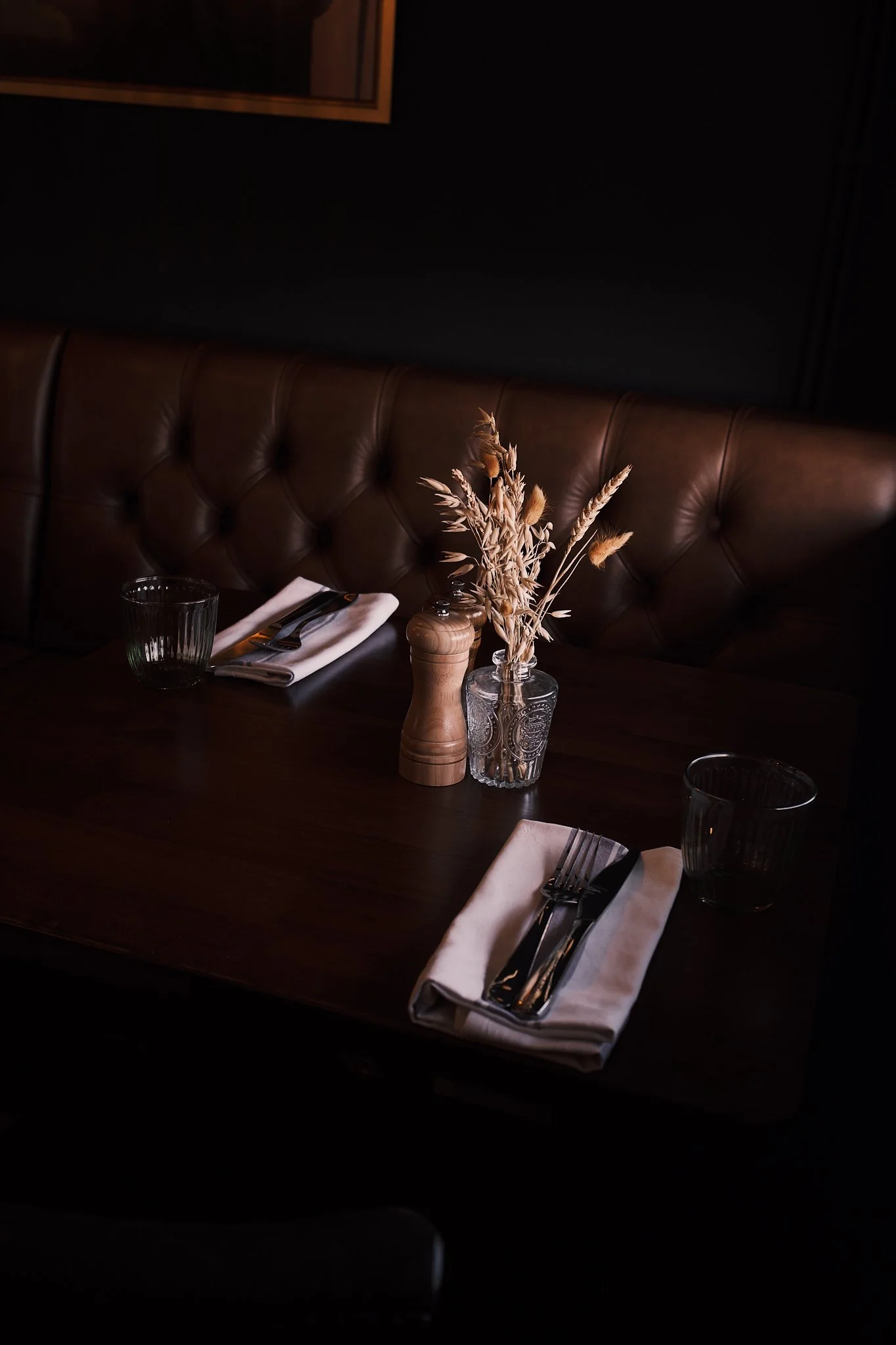
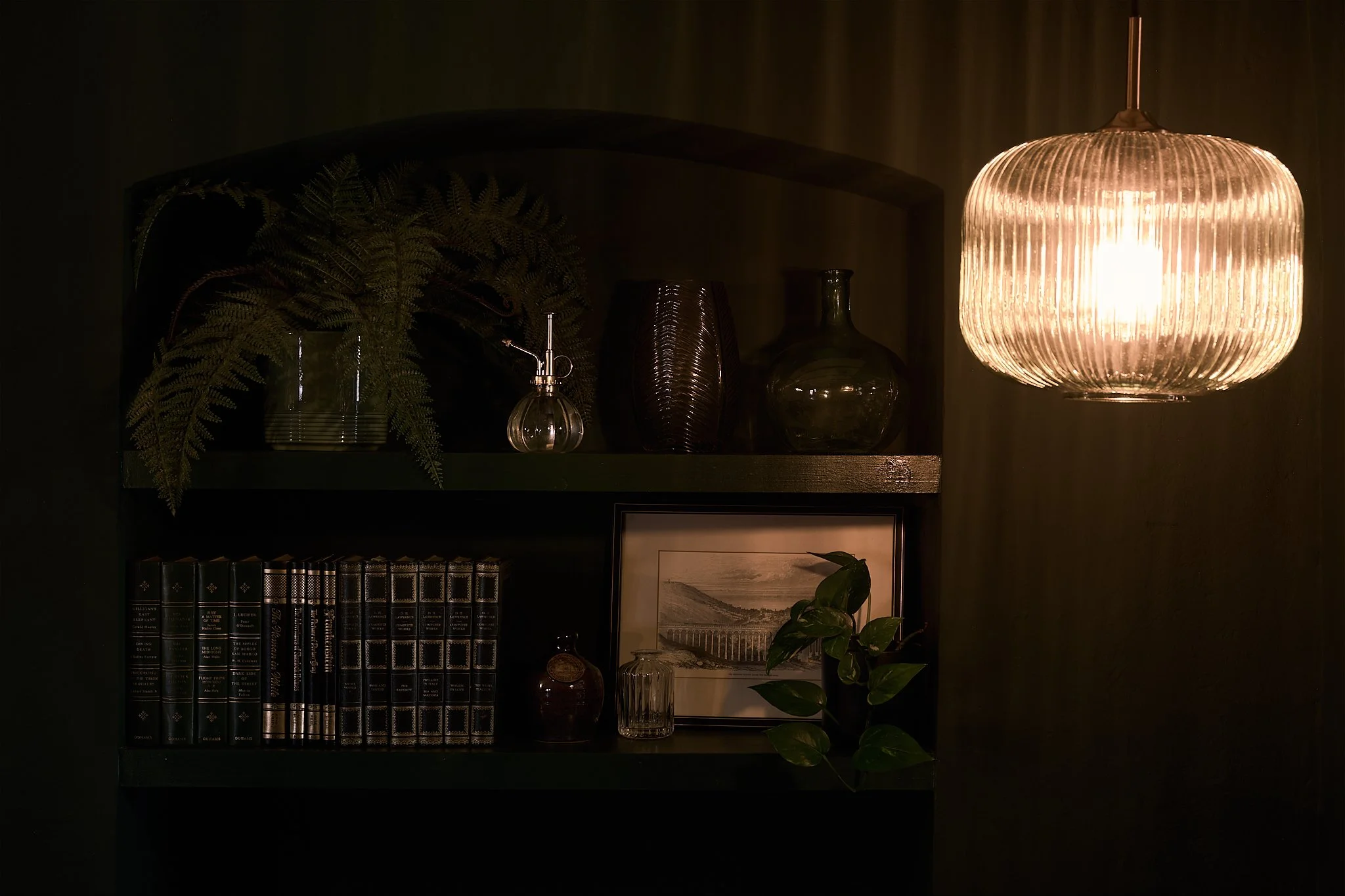
The venue feels warm, intimate, and quietly sophisticated. It has texture. It has contrast. It has atmosphere.
That is what the photography needed to communicate.
Why bright, airy imagery was the wrong fit
There is nothing wrong with bright and airy photography when it suits the brand.
But not every hospitality space wants to feel soft, pale, or stripped back.
For a venue like The Corston Wheatsheaf, that style risks doing the opposite of what good commercial photography should do. Instead of helping define the brand, it flattens it. It removes the depth from the interiors. It softens the contrast. It takes a place with character and makes it feel visually interchangeable with dozens of others.
That is often the problem with casual social-first imagery.
It documents a room, but it does not communicate the experience of being there.
And in hospitality, experience is what people are buying into.
They are not only choosing a pub because of the menu. They are choosing it because of how it feels. They are deciding whether it looks like the kind of place for a slow lunch, a great Sunday roast, drinks by the fire, an evening meal with friends, or a relaxed countryside stop just outside Bath.
Photography has to help answer that in seconds.
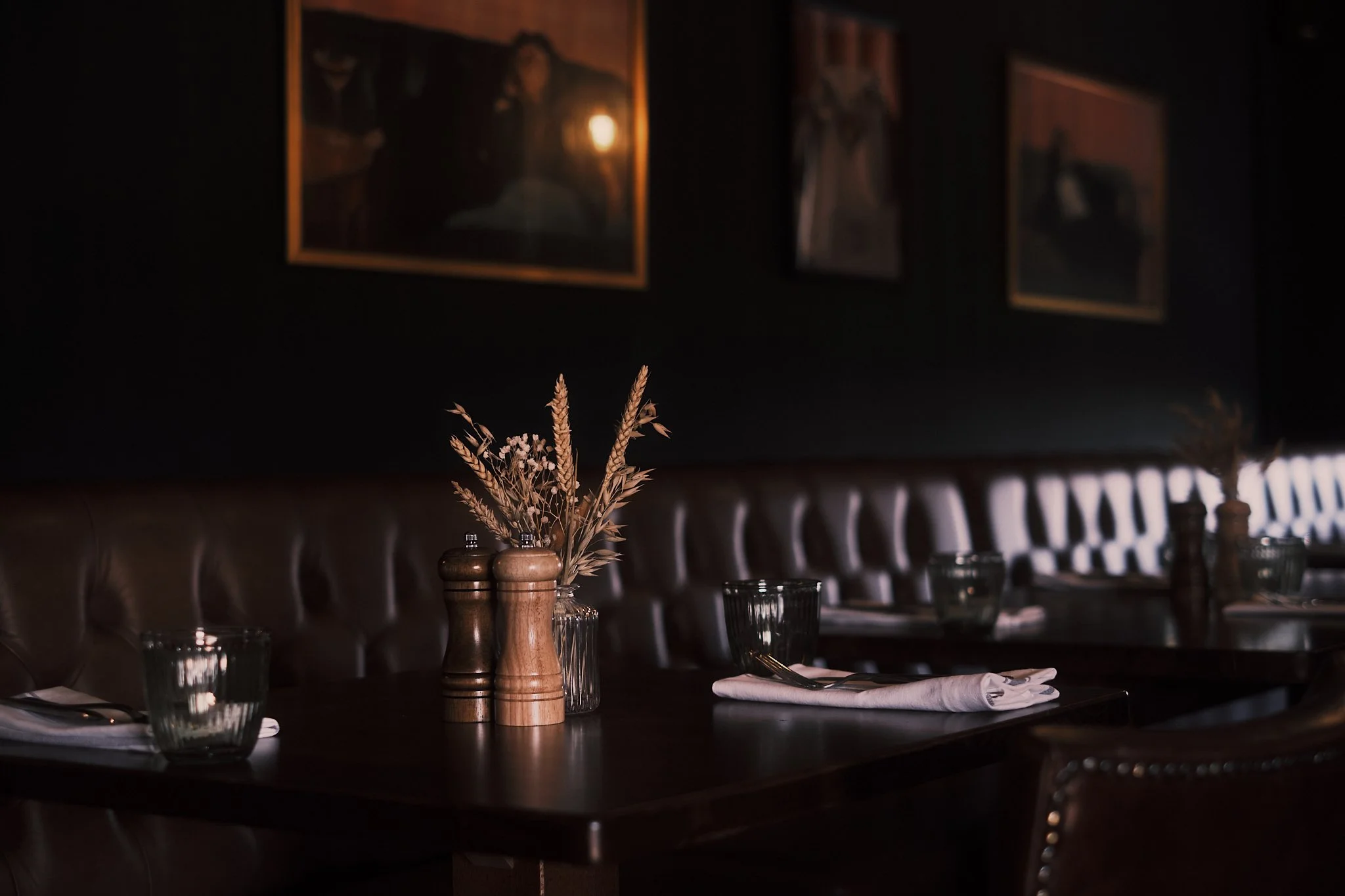
Photographing atmosphere, not just interiors
My approach to photographing The Corston Wheatsheaf was not simply to show the refurbishment.
It was to capture the feeling of the place.
That meant leaning into the things that make the venue visually distinctive:
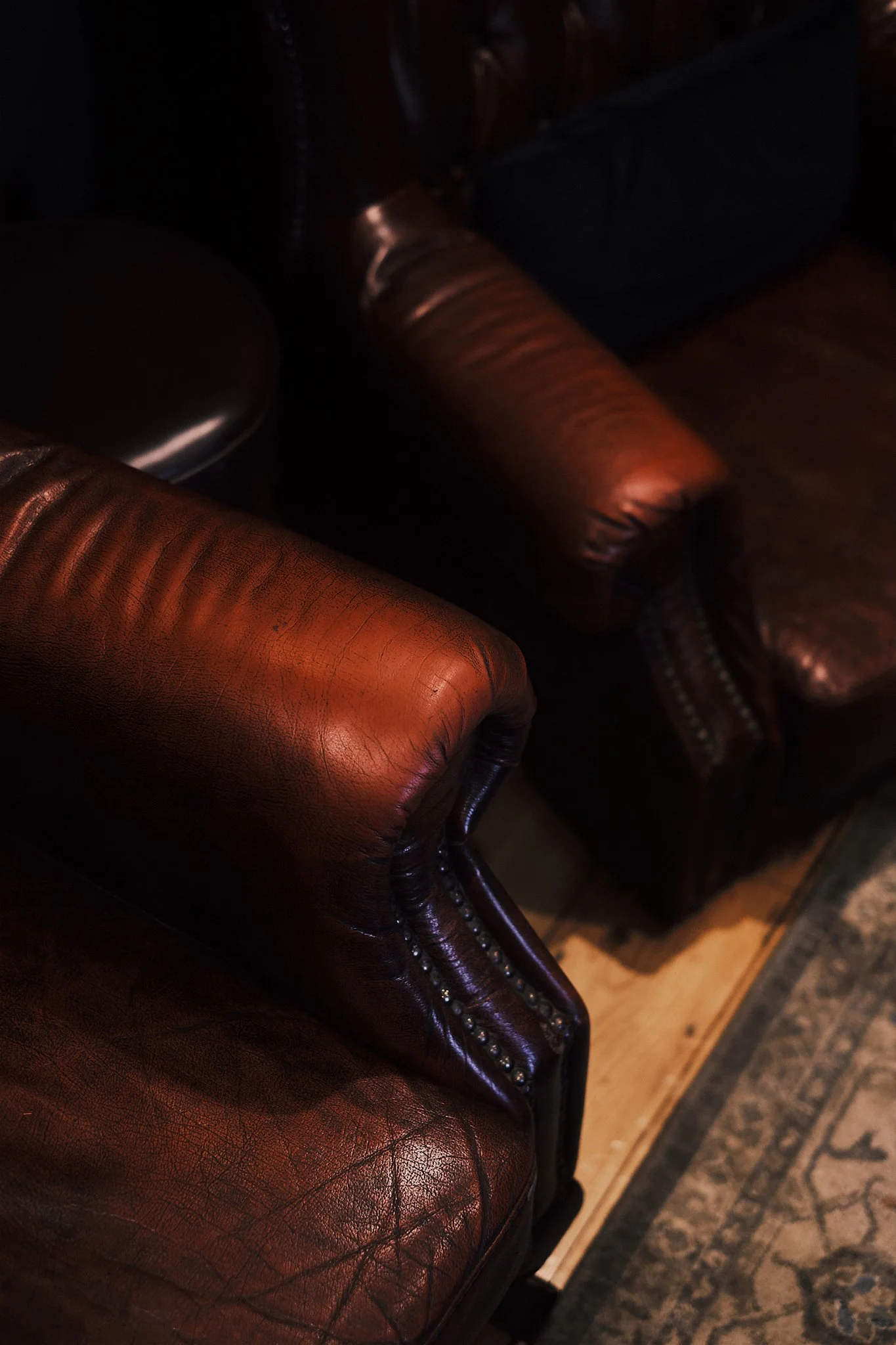
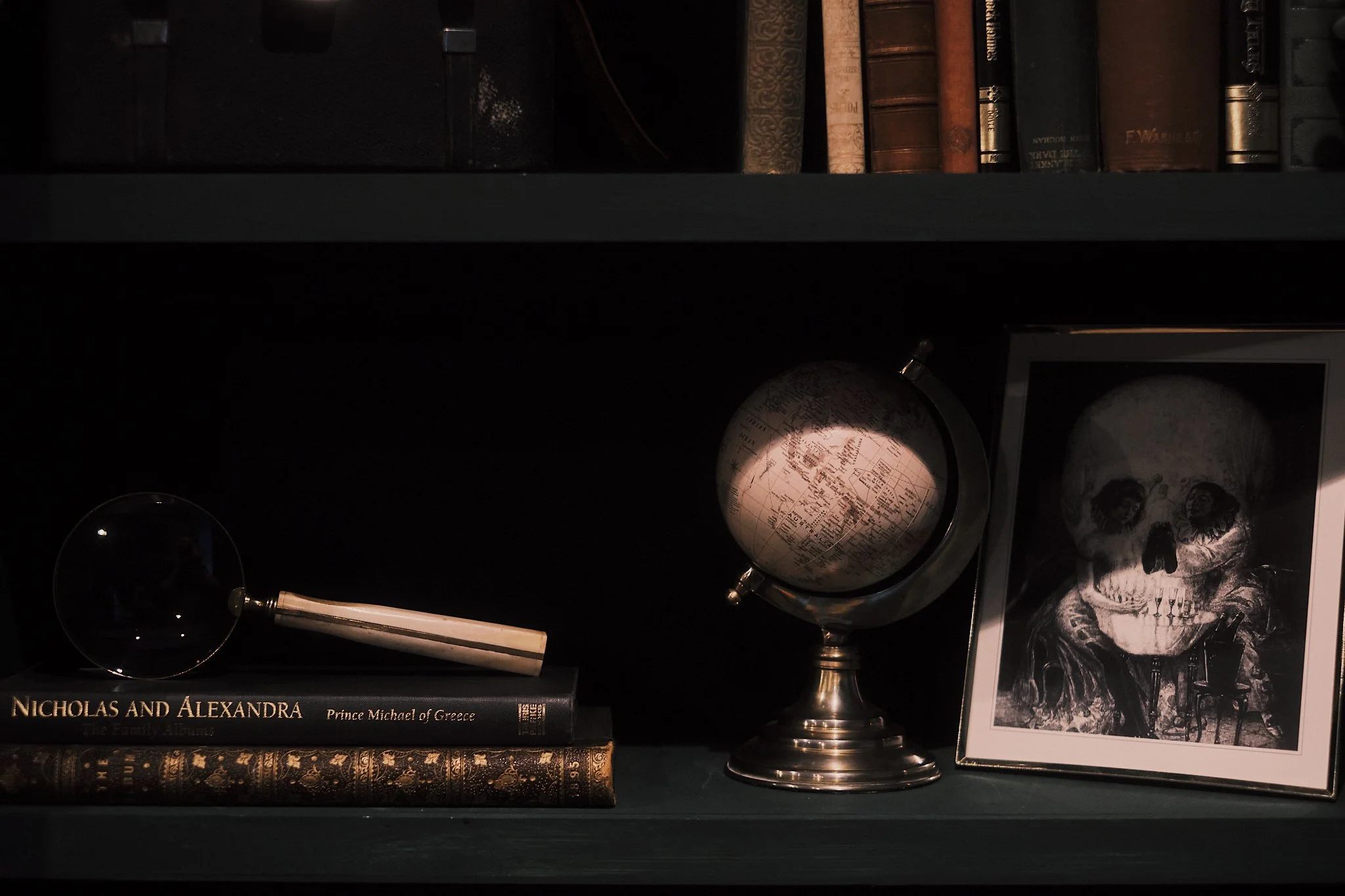
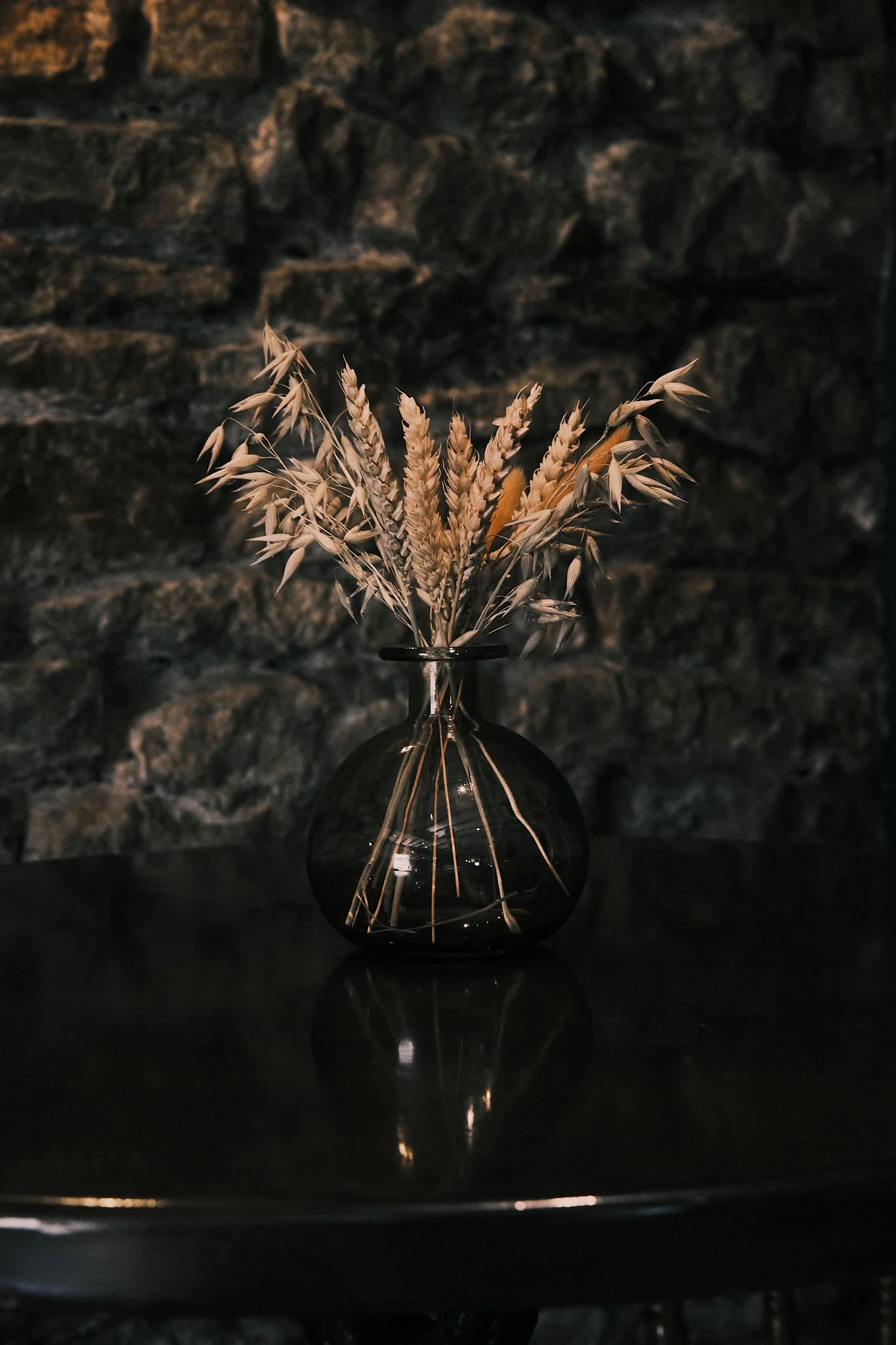
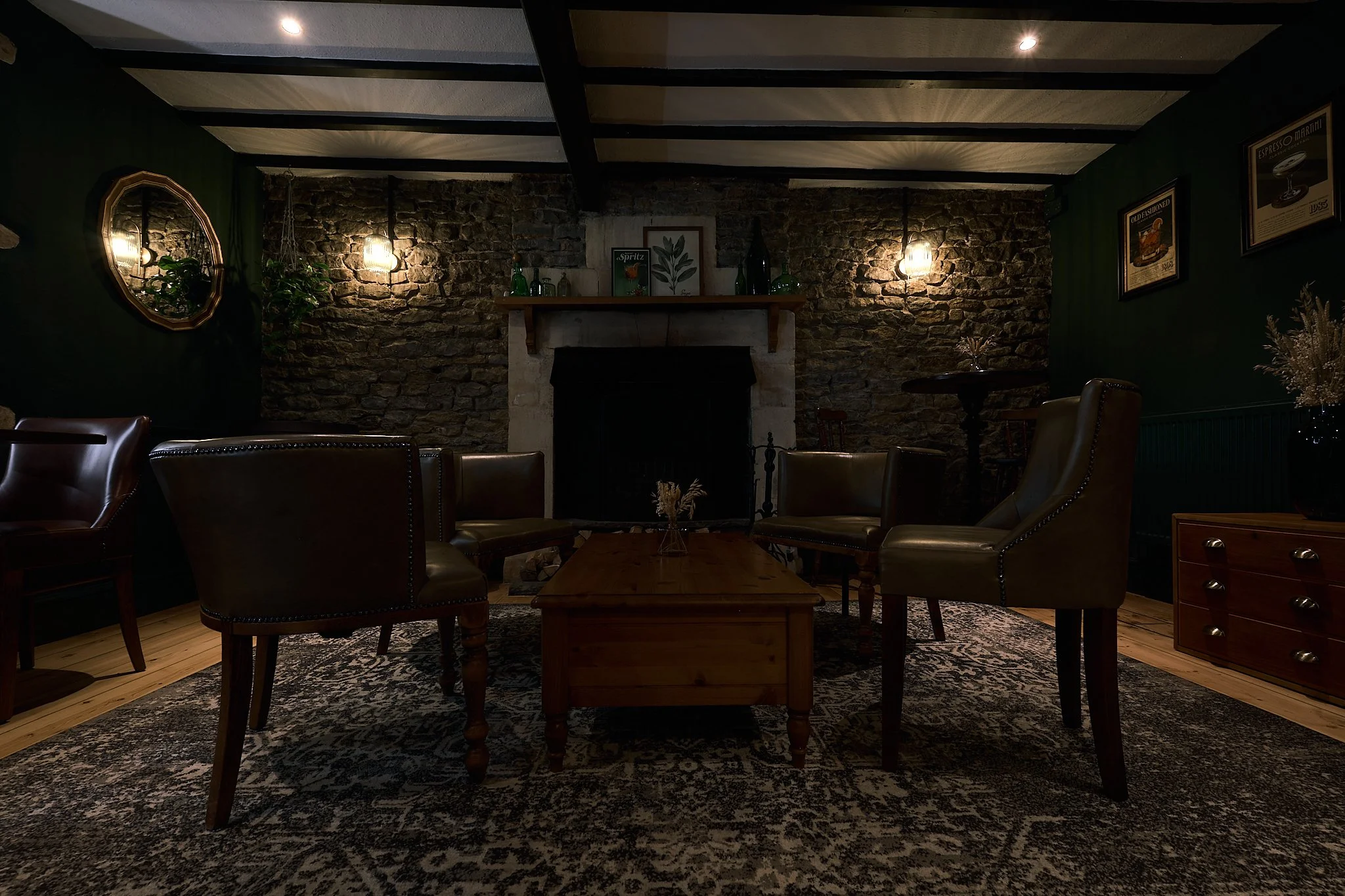
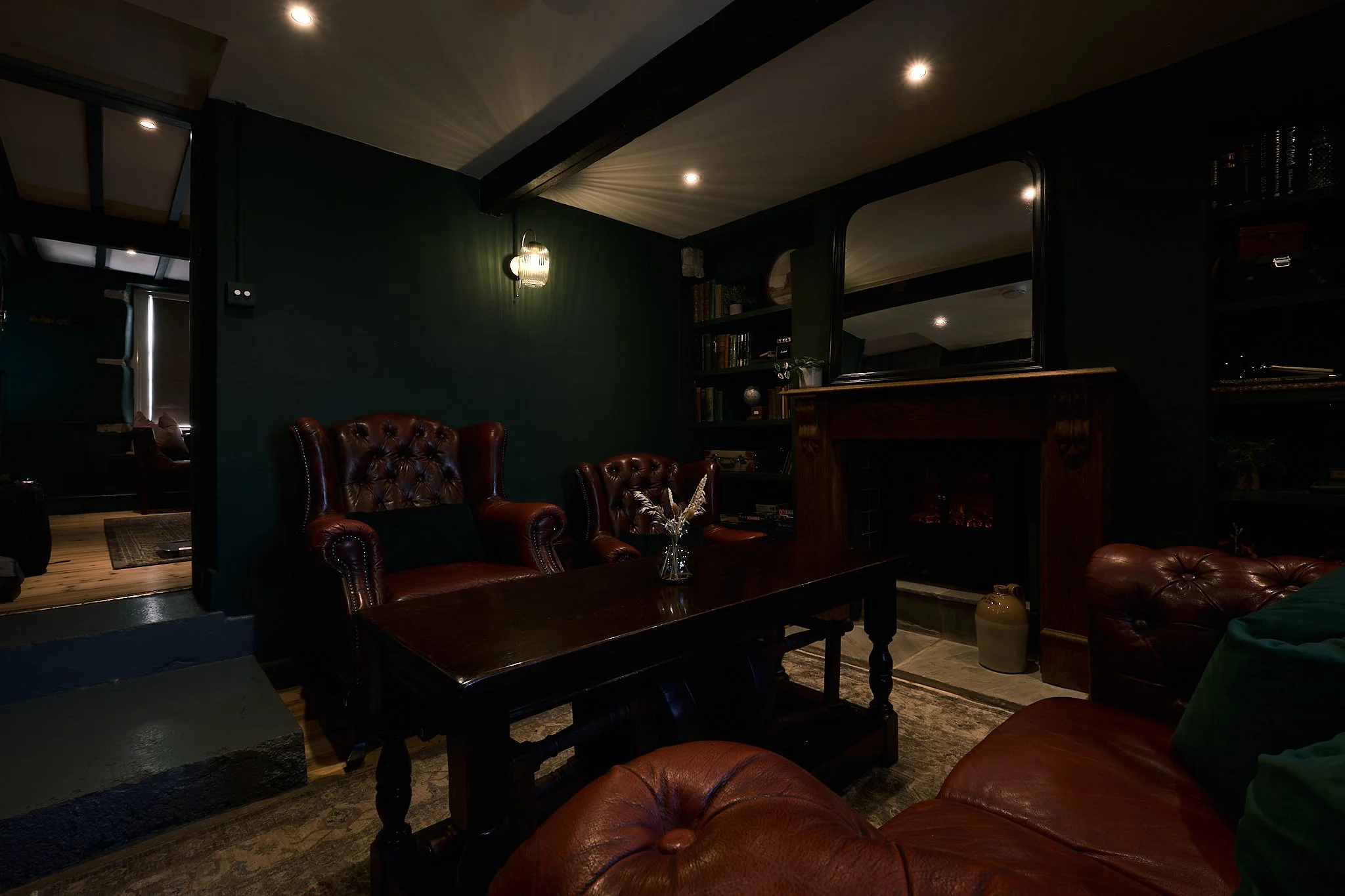
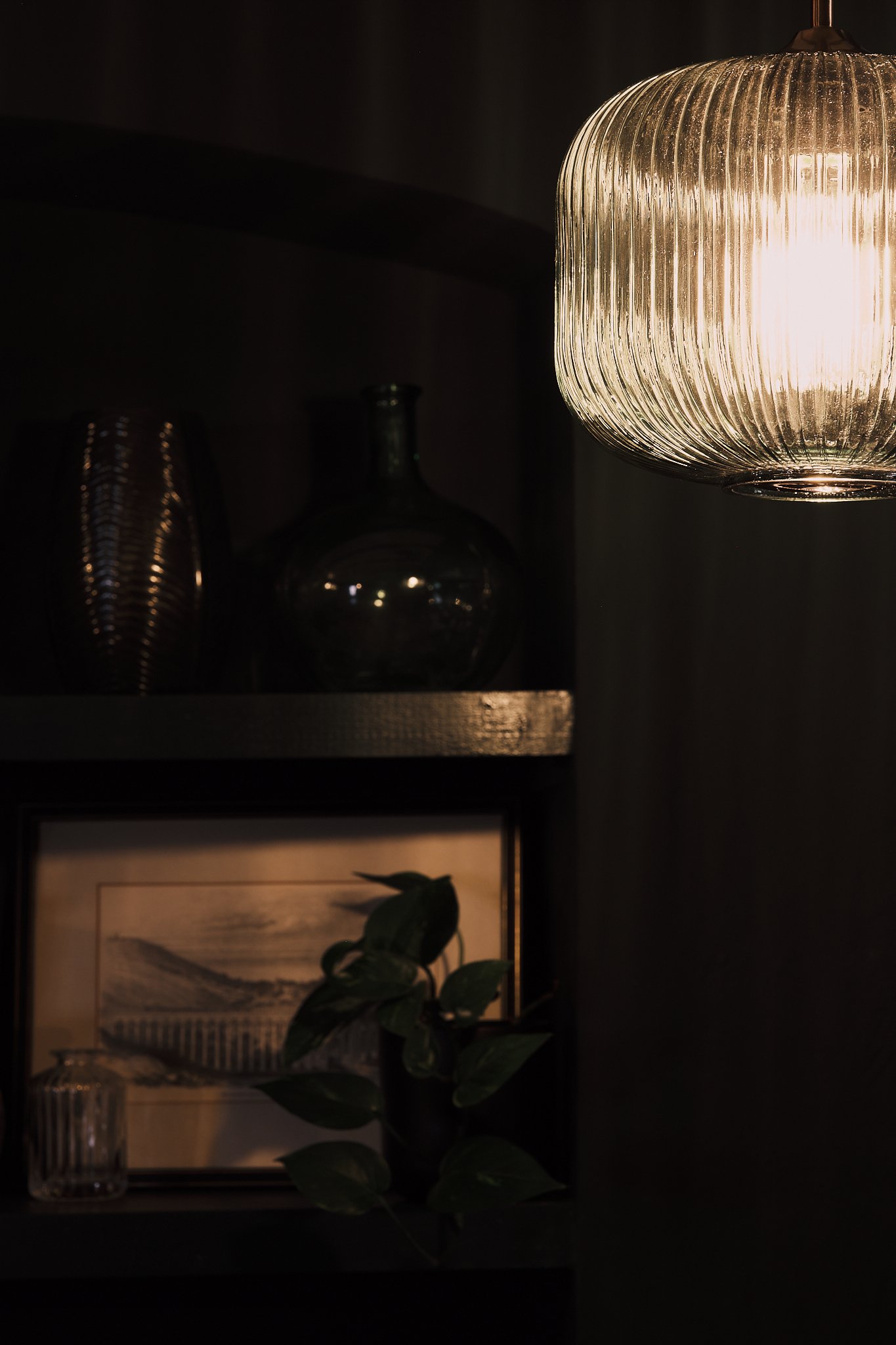
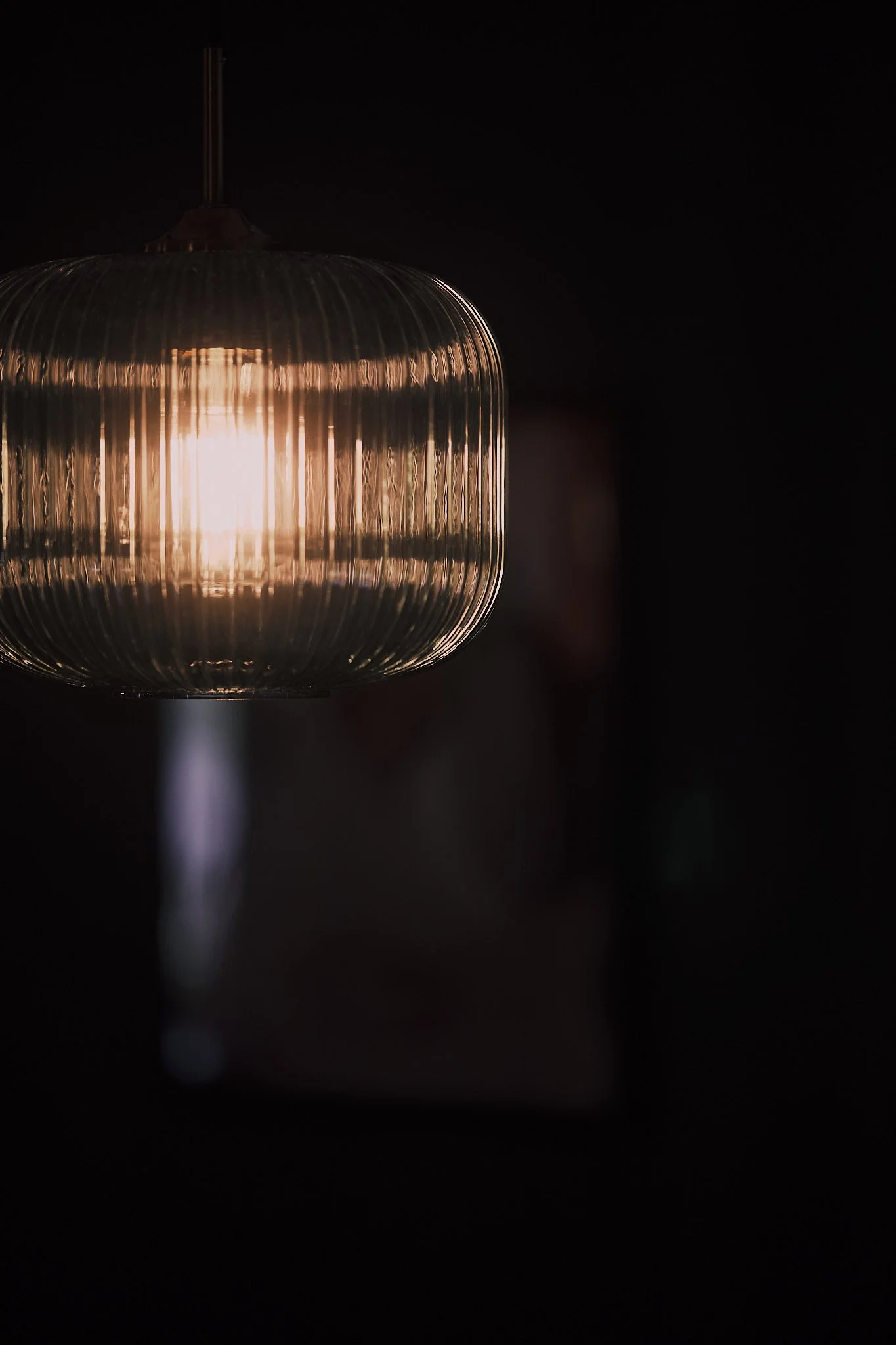
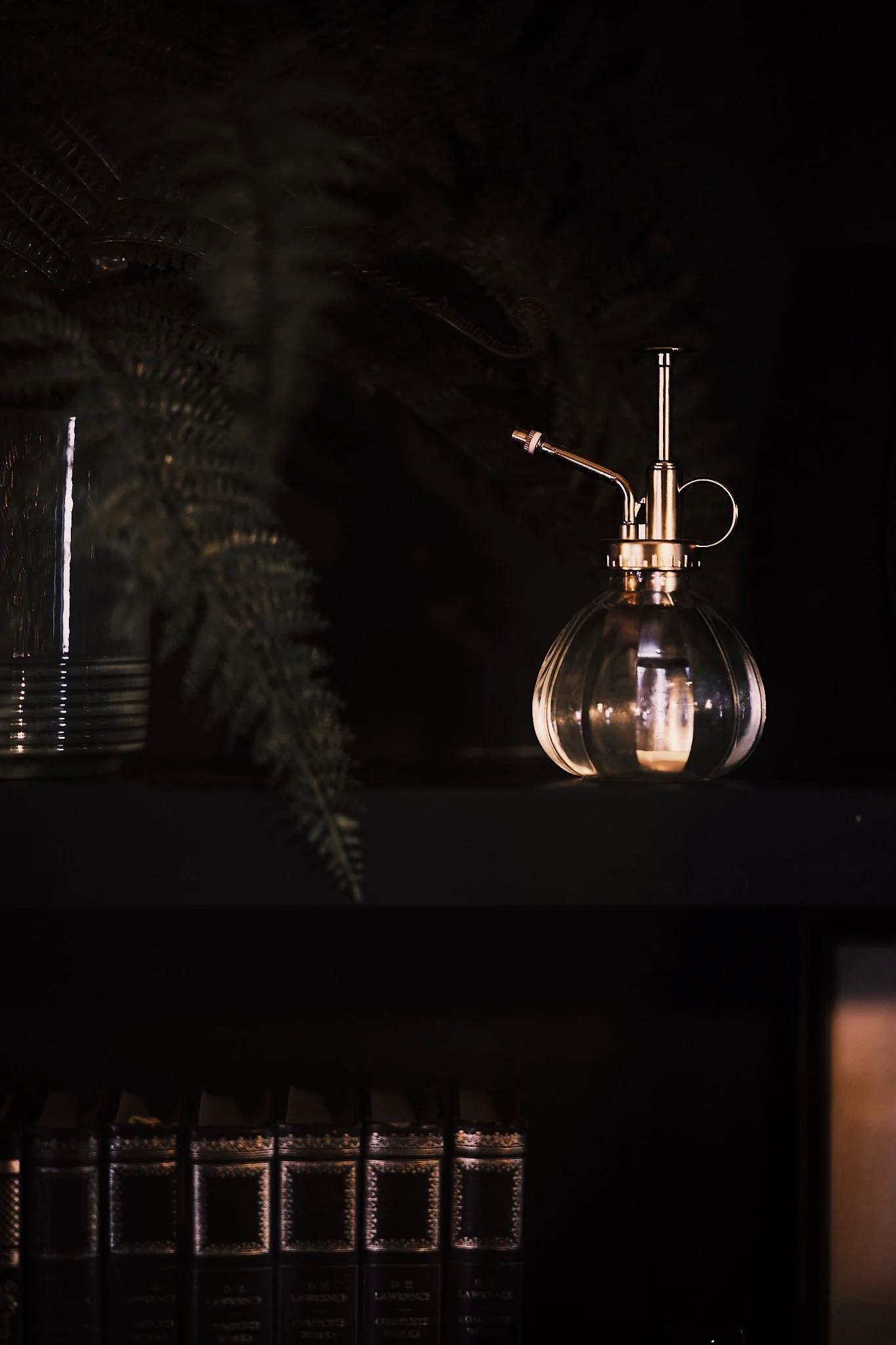
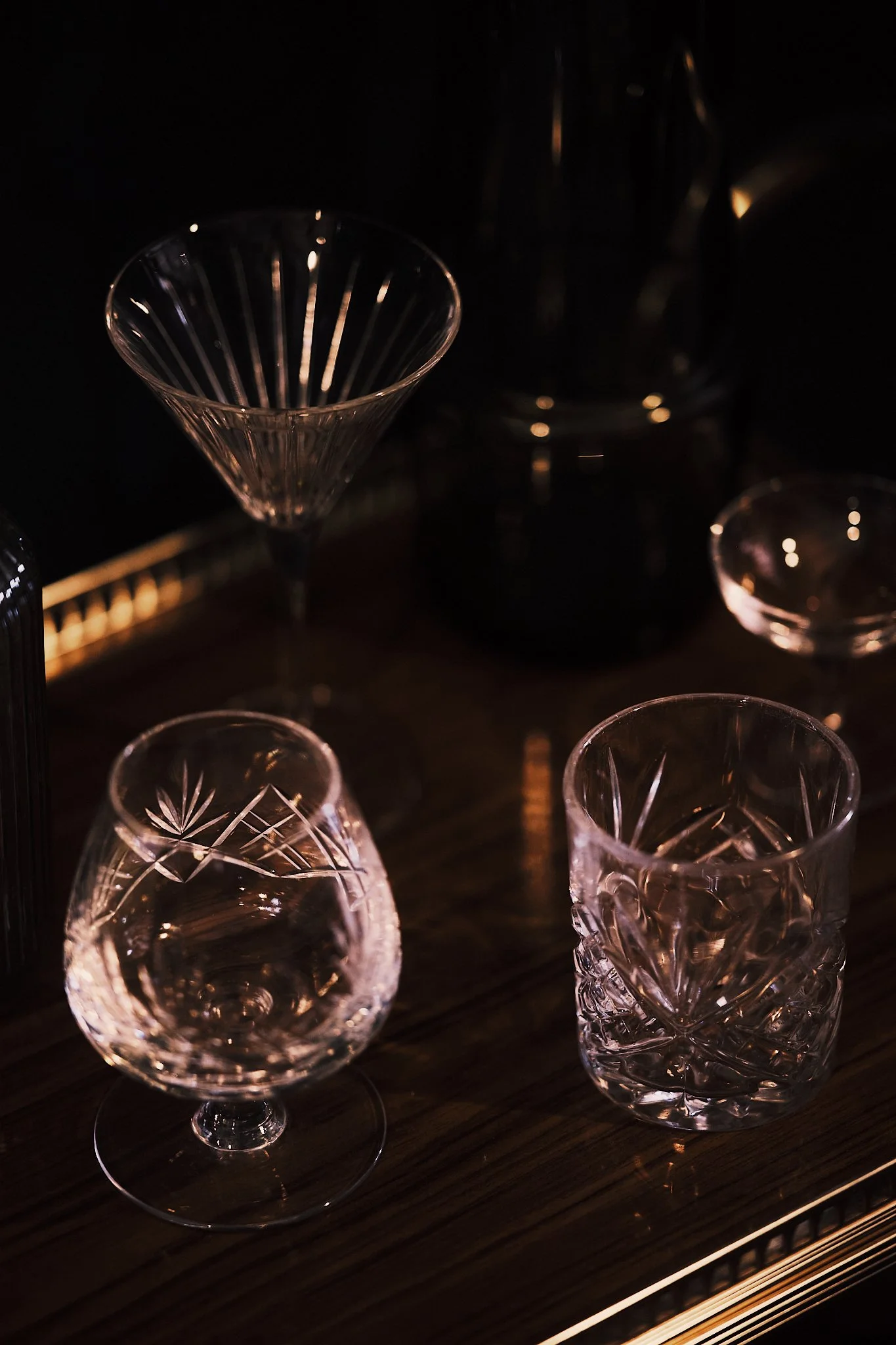
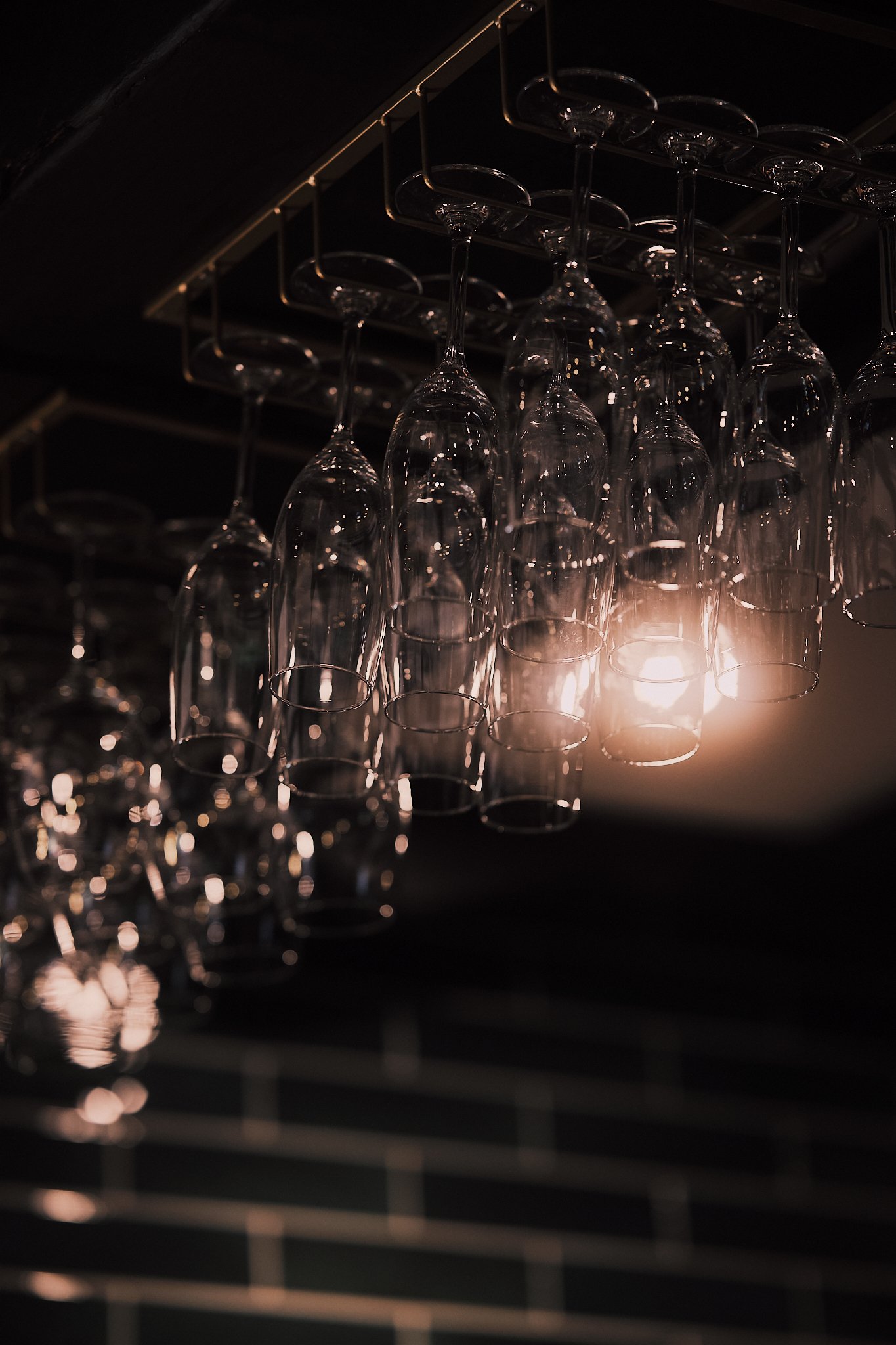
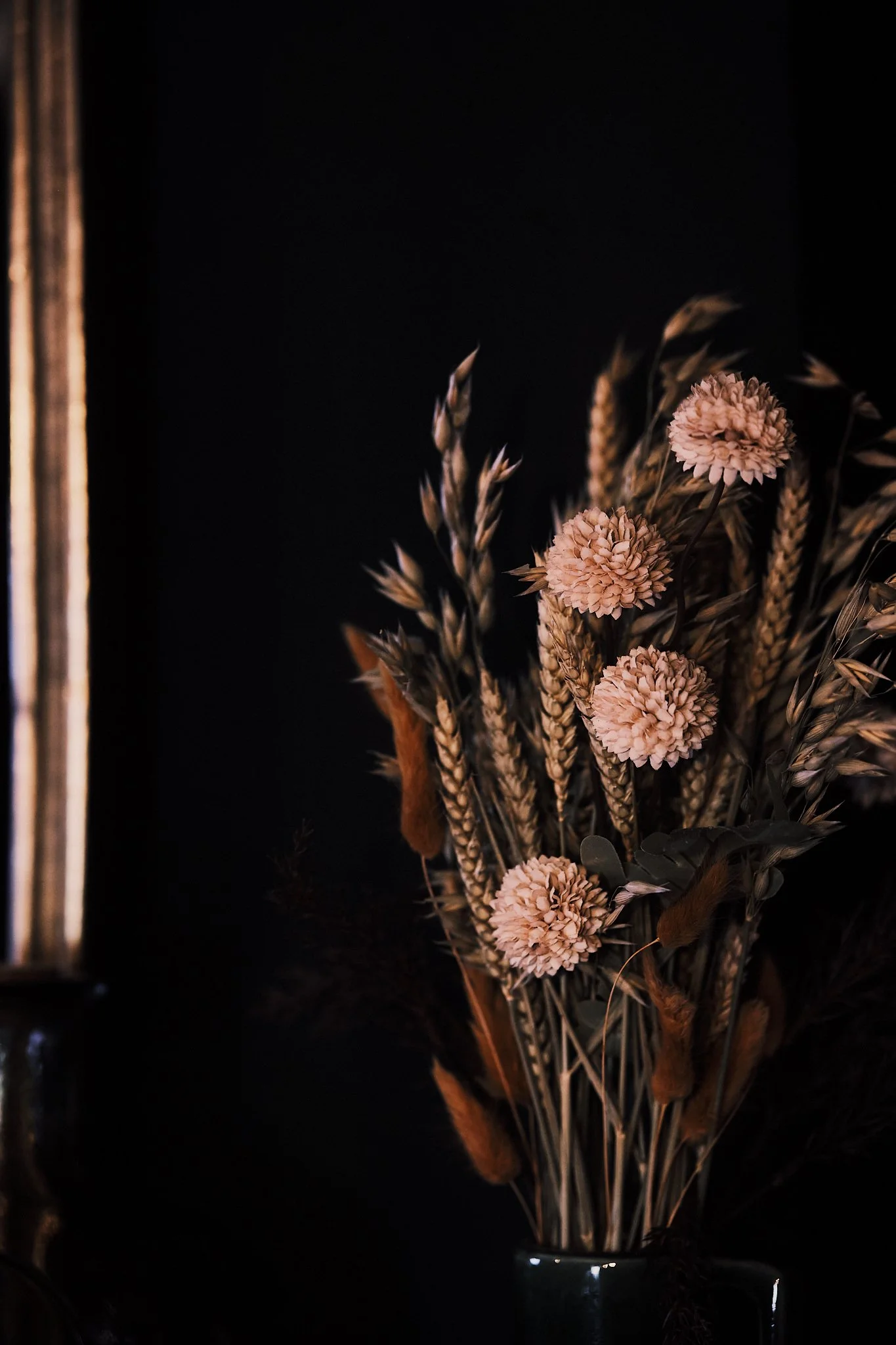
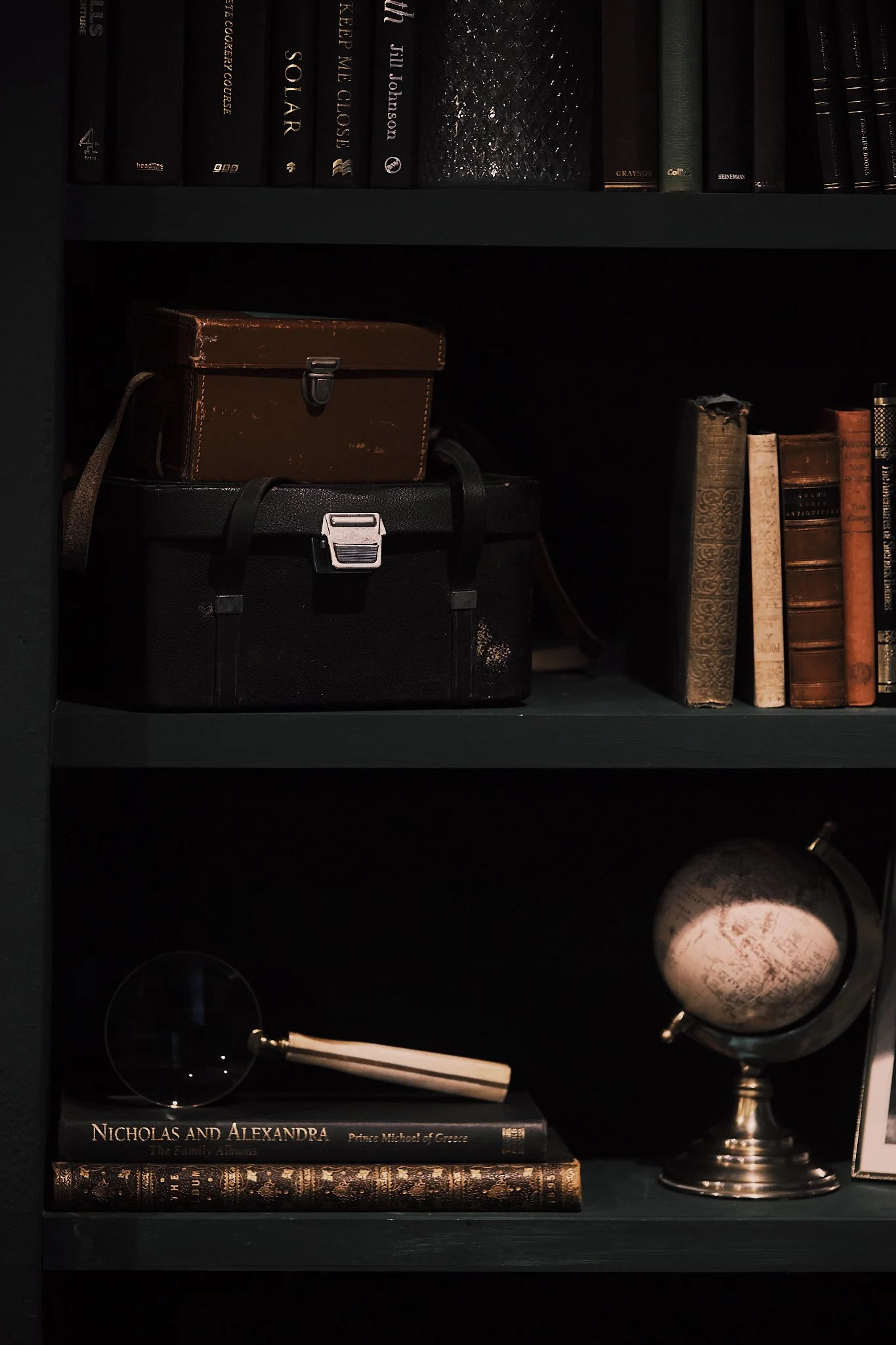
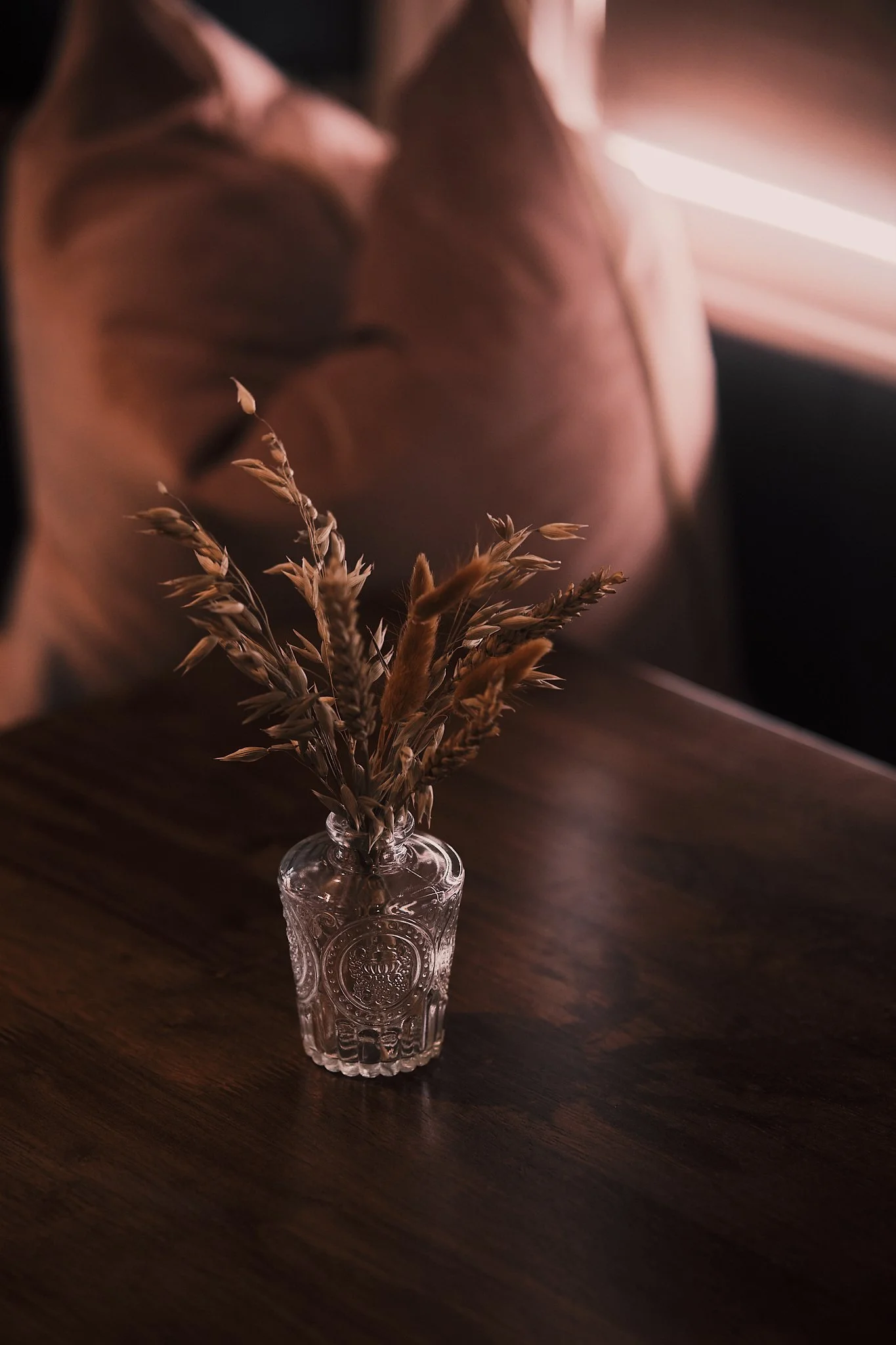
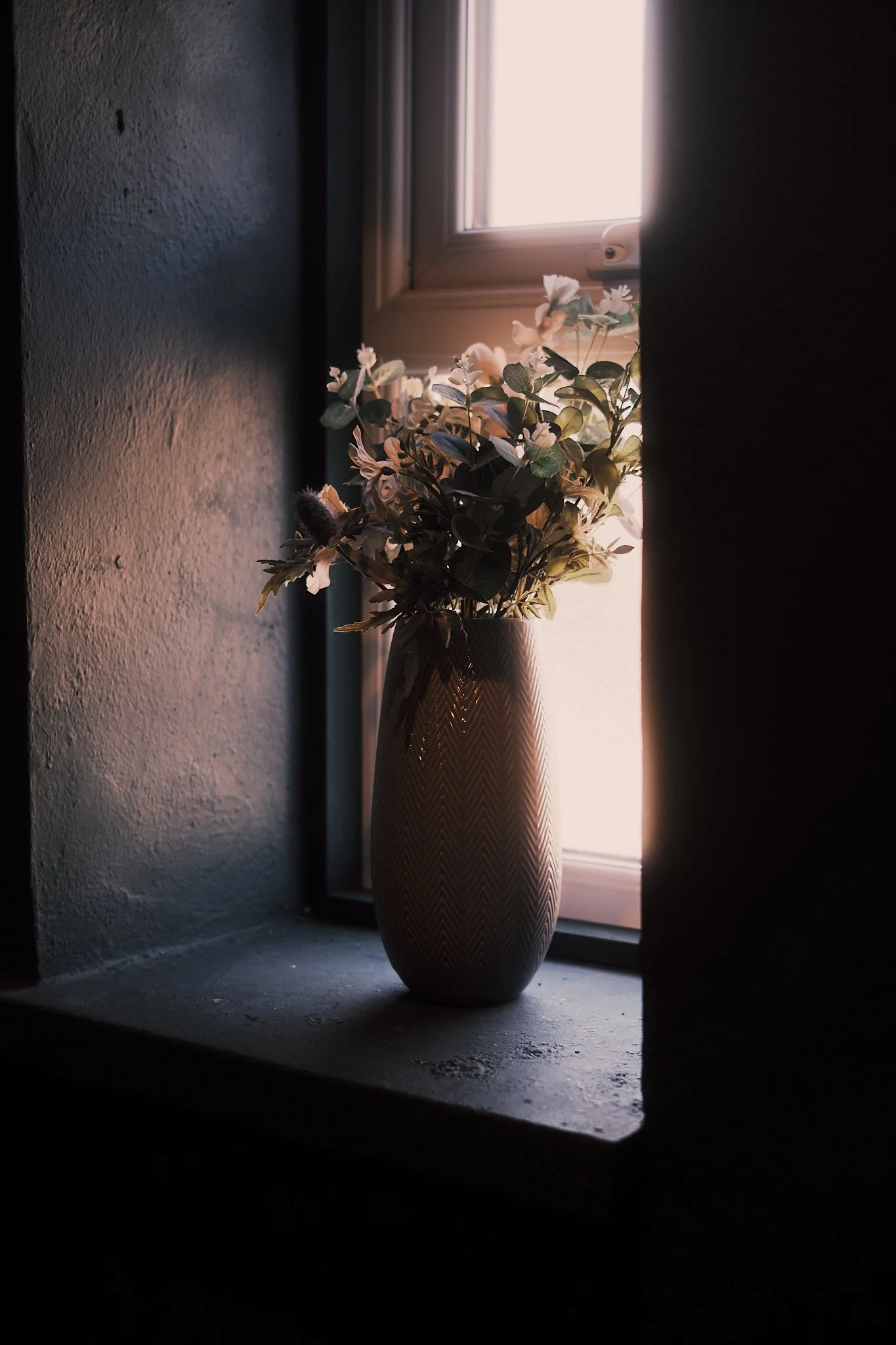
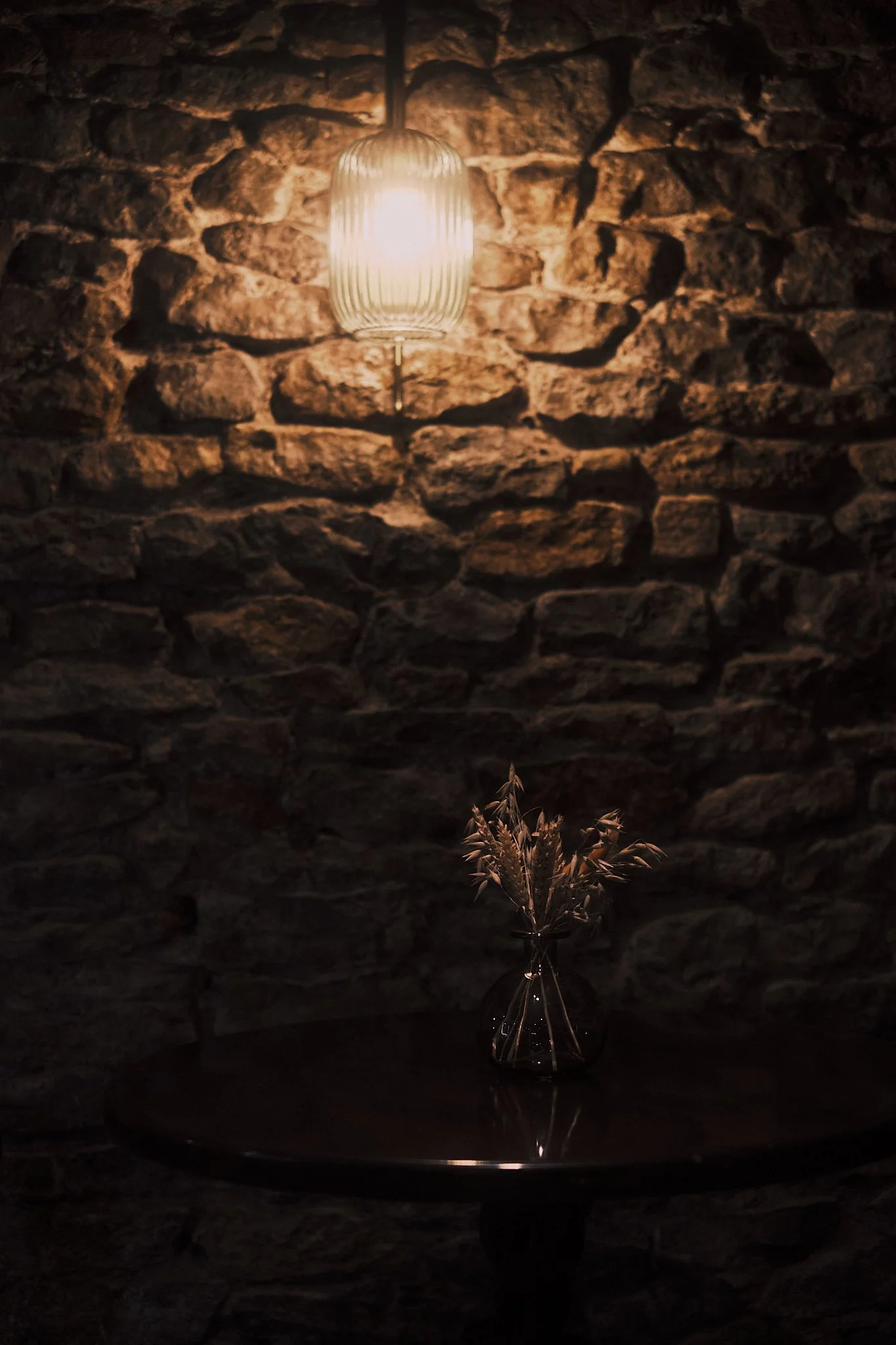
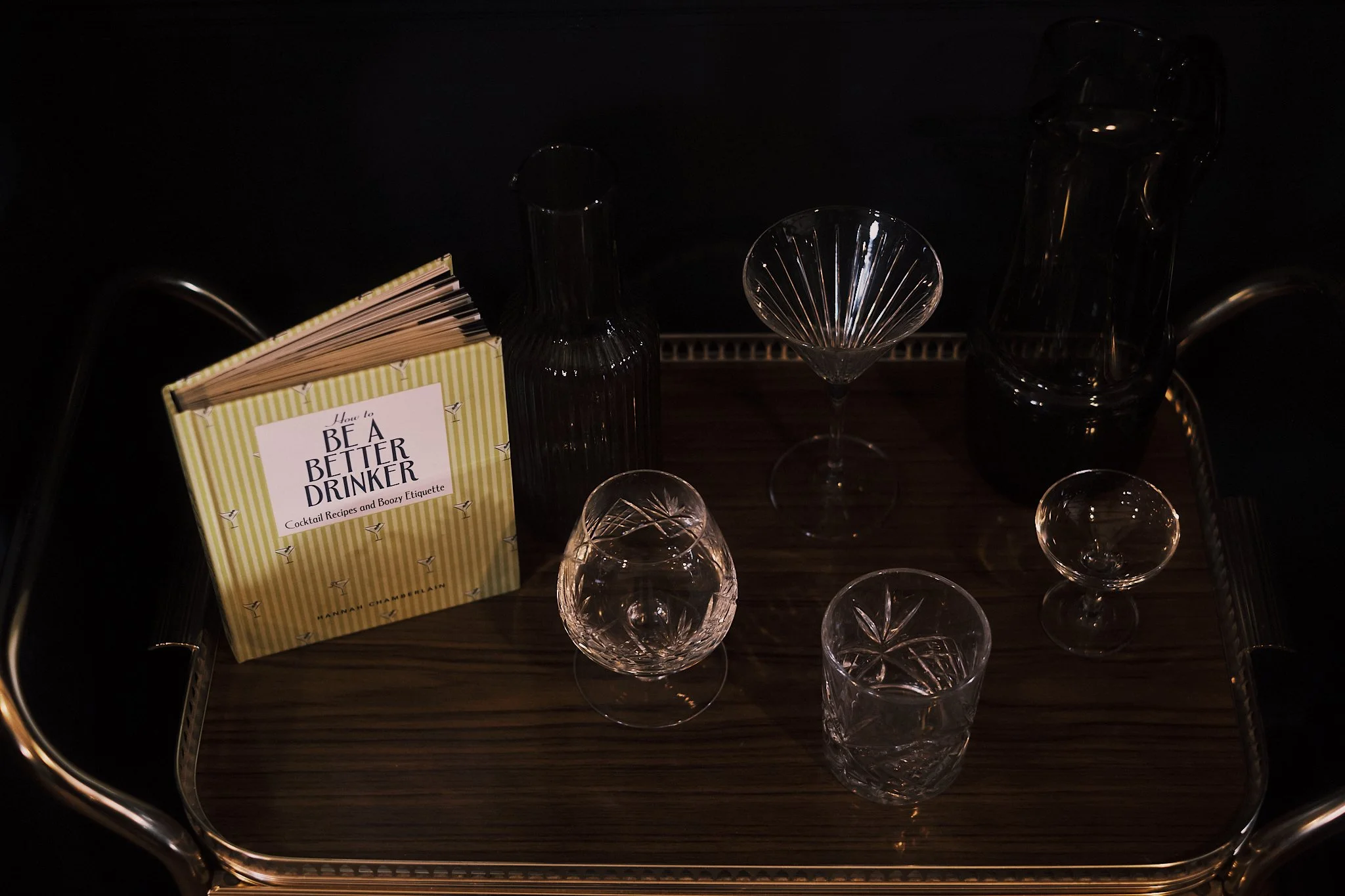
The darker palette, the glow of practical lighting, the richness of the finishes, the warmth in the seating areas, the way the interiors hold shadow, and the sense of comfort and depth throughout the space.
Rather than trying to brighten everything for the sake of it, I wanted the images to feel more honest to the venue itself.
More cinematic.
More tactile.
More confident.
Because strong hospitality photography is not about making every venue look the same. It is about understanding what is unique about a place and building a visual language around that.
At The Corston Wheatsheaf, that visual language is richer, sexier, more sophisticated, and far more emotionally aligned with what guests actually experience when they arrive.
The role of photography in pub and restaurant marketing
This is where commercial photography becomes more than decoration.
For pubs, restaurants, inns, and boutique hospitality venues, imagery is one of the first things people use to decide whether a place feels right for them. Before they read the full menu, before they compare prices, before they decide to book, they are already making judgments based on visual cues.
Does it feel inviting?
Does it feel premium?
Does it feel relaxed?
Does it feel generic?
Does it feel worth the journey?
That is why hospitality photography needs to do more than tick a box.
It needs to position the venue.
For The Corston Wheatsheaf, the right imagery helps reinforce a much clearer message:
This is a stylish, renovated countryside pub near Bath with warmth, quality, food appeal, and atmosphere. It is family-run, newly refreshed, and already being recognised by guests for its décor, service, food, and overall experience.
That kind of clarity matters across everything:
the website,
Google Business,
press coverage,
Instagram,
booking platforms,
email marketing,
and future brand campaigns
A better visual match for the brand
The biggest goal with this shoot was alignment.
The interiors already had the right tone.
The renovation had already changed the space.
The food and hospitality offer had already moved it in a stronger direction.
What was needed was imagery that brought all of that together.
Not brighter for the sake of brighter.
Not cleaner for the sake of cleaner.
Not trend-led for the sake of social media.
Just imagery that actually fits.
Photography that shows the warmth of the room.
Photography that gives weight to the textures.
Photography that makes the venue feel inviting and aspirational at the same time.
Photography that helps people understand, almost instantly, what kind of place this is.
That is what strong brand imagery should do.
Hospitality photography near Bath that sells feeling
One of the reasons I enjoy photographing pubs, restaurants, hotels, and interior-led venues is because they all live or die on atmosphere.
You can spend heavily on renovation, interiors, design, food, and service, but if the photography does not reflect that, the online presence falls short. The venue may feel amazing in person and still look average online.
That gap is costly.
Because hospitality businesses are not only selling products. They are selling mood, trust, anticipation, and experience.
The right photography closes that gap.
For The Corston Wheatsheaf, that meant creating a set of images that feel more emotionally true to the space. Images with depth, tone, and atmosphere. Images that support the venue as it is now, not as it may once have looked through lighter, less considered content.
Final thoughts
The Corston Wheatsheaf is a strong example of why good hospitality photography matters.
A renovated space.
A clearer identity.
A warmer, more elevated experience.
And a much stronger story to tell visually.
For venues like this, photography should never be an afterthought. It should be part of how the business presents itself to the world.
Because when the imagery is right, people do not just see the space.
They feel it.
Looking for hospitality photography near Bath, Bristol or across the South West? I work with pubs, restaurants, hotels and interior-led businesses to create commercial imagery that captures atmosphere, builds trust and gives potential customers a stronger sense of the experience before they arrive.